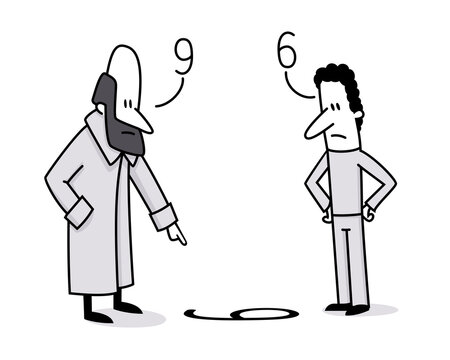
The 2 Samuel 9 and 10 are about David’s kindness toward others. One person received his kindness humbly, knowing that wasn’t expected from that king in particular. Saul was the first king of Israel and did not obey the word of the LORD. Therefore, the kingdom was taken away from him and his lineage. God announced to Saul that he was going to give the kingdom to someone else. Being David. Because David was not a descendant of Saul, once he started reigning, it was expected that the new king, non-descendant of the former, would kill all the former king’s descendants so no one would stand in the line of succession. Bu David did not do that. Instead, he chose to show kindness toward the last person from Saul’s house. Saul’s grandson accepted David’s kindness. And we have a beautiful story about grace. Chapter 10, however, tells a different story. A story of a man who didn’t accept David’s kindness because that was what he was. A person who suspected everyone around him. He trusted no one. The new king of the Ammonites didn’t know David and chose to believe that David had sent men to spy on his land instead of showing grace. The new Ammonite king humiliated David’s men, and that made David very angry. Of course, they went to war. The Ammonites lost. From this story, we learn that it is better to think the best of the people and wait to see what are the real intentions instead of assuming the worst first. When we do that, we always get into some unnecessary conflicts. If the person comes with bad intentions let God deal with them. It is for the best. The other good part of this story is 2 Samuel 10:12, when David’s men developed some strategies for war and trusted God with the outcome. They said, “Be of good courage, and let us be courageous for our people and for the cities of our God, and may the LORD do what seems good to him.” How many times are we willing to say that to God? To do whatever it takes on our part and let the outcome to God decide. Meaning that it may or may not be favorable. Lately, I finally got to say something that has been bothering me for quite some time. We don’t understand the plans God has for ourselves, much less for other people, right? So, instead of trying to find a way to “fix” the situation or “ease” the pain, know this: you are probably making it worse. There are things that happen to us that we don’t understand. It may be as well as a lesson from God, a test, a punishment, or just a consequence of a bad decision, and there is nothing anyone can do to fix it. We must live on and make the best of every situation. But when people start meddling, even with the best intentions, remember it may not help at all. Just put yourself in that situation, hearing your own advice and suggestions or opinions about that situation. Is it something you would like to be hearing all the time from every one? Well… My advice is to think twice before uttering any opinion about someone else’s life. You see from an angle; the person who is living it feels and sees from a very different point of view. Let the person come to you first with a request for help; then you give your input. David wanted to do good. But his goodness wasn’t seen as such. That king wasn’t ready for kindness yet. He might as well be still grieving his father, or he was just stupid. It doesn’t really matter. That war would not have happened if David just sent a letter of condolences. You will never know how people will respond to you. Once you give your input, you accept what it comes in return. It can be war, or it can be peace. | 2 Samuel 9 e 10 são sobre a bondade de Davi para com outras pessoas. Uma pessoa recebeu sua bondade humildemente, sabendo que isso não era esperado daquele rei em particular. Saul foi o primeiro rei de Israel, e ele não obedeceu à palavra do SENHOR. Portanto, o reino foi tirado dele e de sua linhagem. Deus anunciou a Saul que ele daria o reino a outra pessoa. Davi. Como Davi não era descendente de Saul, uma vez que ele começasse a reinar, era esperado que o novo rei, não descendente do anterior, matasse todos os descendentes do antigo rei para que ninguém ficasse na linha de sucessão. Mas Davi não fez isso. Em vez disso, ele escolheu mostrar bondade para com a última pessoa da casa de Saul. O neto de Saul aceitou a bondade de Davi. E temos uma linda história sobre graça. O capítulo 10, no entanto, conta uma história diferente. A história de um homem que não aceitou a bondade de Davi porque era isso que ele era. Uma pessoa que suspeitava de todos ao seu redor. Ele não confiava em ninguém. O novo rei dos amonitas não conhecia Davi e escolheu acreditar que Davi havia enviado homens para espionar sua terra em vez de mostrar graça. O novo rei amonita humilhou os homens de Davi, e isso deixou Davi muito bravo. Claro, eles foram para a guerra. Os amonitas perderam. Com essa história, aprendemos que é melhor pensar o melhor do povo e esperar para ver quais são as reais intenções em vez de presumir o pior primeiro. Quando fazemos isso, sempre entramos em alguns conflitos desnecessários. Se a pessoa vier com más intenções, deixe Deus lidar com ela. É para o melhor. A outra parte boa dessa história está em 2 Samuel 10:12, quando os homens de Davi tinham algumas estratégias para a guerra e confiaram a Deus o resultado. Eles disseram: "Sejam corajosos, e sejamos corajosos pelo nosso povo e pelas cidades do nosso Deus, e que o SENHOR faça o que bem lhe parecer." Quantas vezes estamos dispostos a dizer isso a Deus? Fazer o que for preciso da nossa parte e deixe que Deus decida o resultado. O que significa que pode ou não ser favorável. Ultimamente, finalmente consegui dizer algo que me incomoda há algum tempo. Não entendemos os planos que Deus tem para nós, muito menos para outras pessoas, certo? Então, em vez de tentar encontrar uma maneira de "consertar" a situação ou "aliviar" a dor, saiba disso: você provavelmente está piorando a situação. Há coisas que acontecem conosco que não entendemos. Pode ser também uma lição de Deus, um teste, uma punição ou apenas uma consequência de uma má decisão, e não há nada que alguém possa fazer para consertar isso. Devemos viver e tirar o melhor de cada situação. Mas quando as pessoas começam a se intrometer, mesmo com as melhores intenções, lembre-se de que isso pode não ajudar em nada. Apenas se coloque nessa situação, ouvindo seus próprios conselhos e sugestões ou opiniões sobre essa situação. É algo que você gostaria de ouvir o tempo todo de todos? Bem... Meu conselho é pensar duas vezes antes de expressar qualquer opinião sobre a vida de outra pessoa. Você vê de um ângulo; a pessoa que está vivendo isso sente e vê de um ponto de vista muito diferente. Deixe a pessoa vir até você primeiro com um pedido de ajuda; então você dá sua opinião. Davi queria fazer o bem. Mas sua bondade não foi vista como tal. Aquele rei ainda não estava pronto para a gentileza. Ele poderia muito bem ainda estar sofrendo por seu pai, ou ele era apenas estúpido. Realmente não importa. Aquela guerra não teria acontecido se Davi apenas enviasse uma carta de condolências. Você nunca saberá como as pessoas responderão a você. Uma vez que você dá sua opinião, você aceita o que vem em troca. Pode ser guerra ou pode ser paz. |
Comments
Post a Comment